Every organisation
is already a museum
It lives inside every organisation – in the artefacts, rituals, and inherited processes of everyday work. We are soon opening our doors: our virtual museum, a pop-up exhibition of our founding collection, alongside the publication of the book that started it all.
" The museum is open. It has always been open. I am glad you finally found it.”
Jenny Theolin, Founder & Author, MoOC
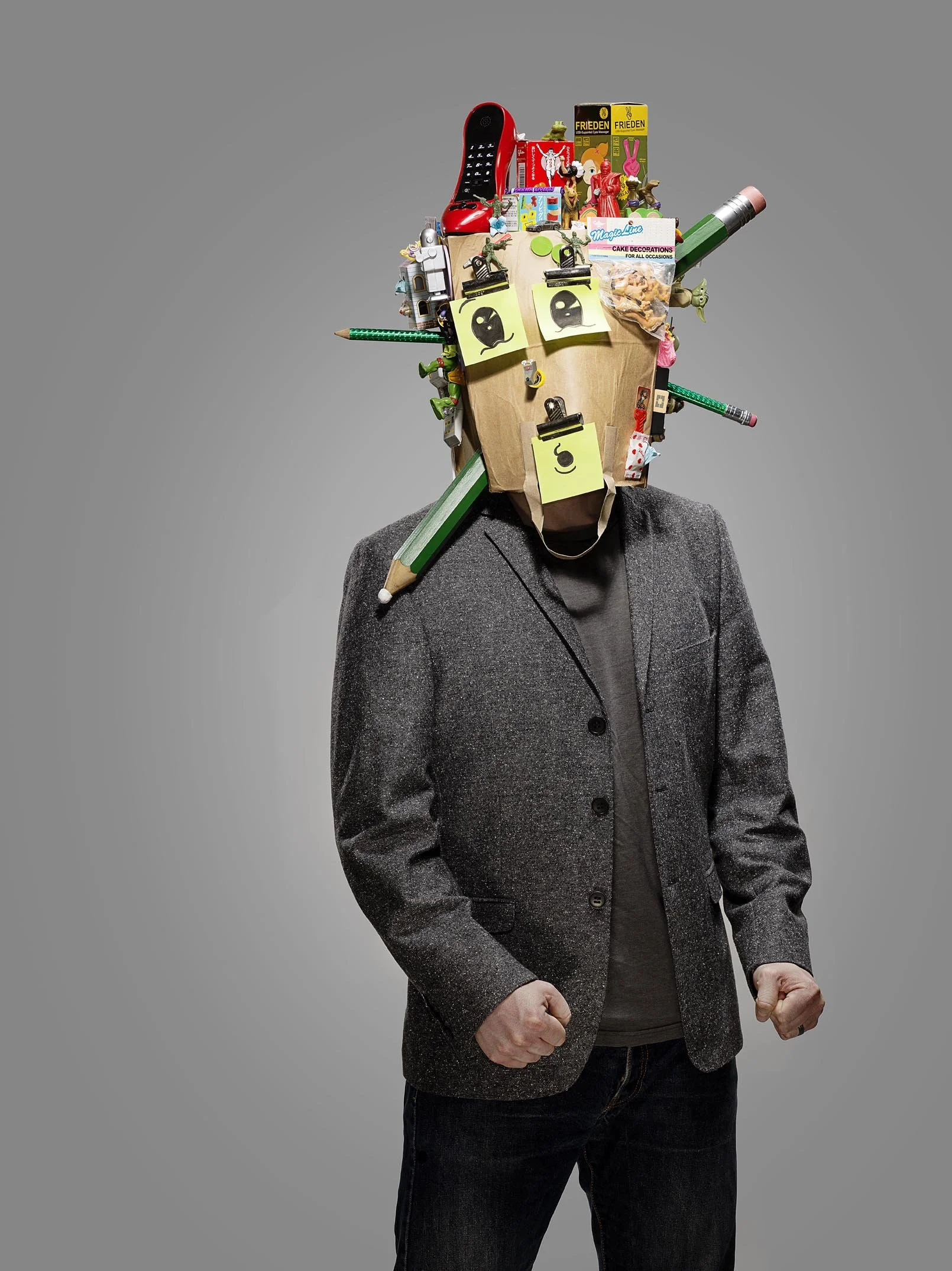
Why this exists
There is no institution in the world dedicated to organisational culture. No permanent collection. No public record of the artefacts, rituals, and inherited practices that shaped how work actually felt.
The problem is not effort. It is attention. Organisations invest enormously in culture – surveys, values statements, engagement programmes – and yet most cannot explain how their culture was formed, what is sustaining it, or what is quietly undermining it.
Culture is not hidden. It lives in the object nobody questioned for three years. The ritual that survived four restructures. The story every new hire gets told before they've formed their own opinion. We have just stopped looking at it properly.
The Museum of Organisational Culture exists to change that.
The Museum
The museum begins with the Founding Collection: twelve organisations, one donated artefact each, from Swish, Klättermusen, Lindex, Hyper Island, EY Doberman, Urban Deli and more. Four go on display at the book launch, and the full collection follows in a pop-up museum next year.
We’re opening the living museum online first, with every artefact from The Museum You Carry on display. The collection is open, so you can submit an artefact of your own too.
The Book
The Museum You Carry, a Curator’s Guide to Oranganisational Culture.
“For perhaps the first time ever, we have a book that lifts the veil on what an organisation actually is: a collection of artefacts that are sometimes obvious, sometimes obscure, and, very occasionally, magical. Honest and ground-breaking work.”
Malcolm Larri, Leadership & Communication Expert
The Studio
Most companies describe culture in words: values on a wall, a survey, an onboarding slide. The real culture lives in what people keep, repeat, and quietly leave behind, and every office move, merger, and reorganisation loses a little of it.
Our curatorial work reads it, our design work gives it physical, sensory life, and your own people decide what matters.
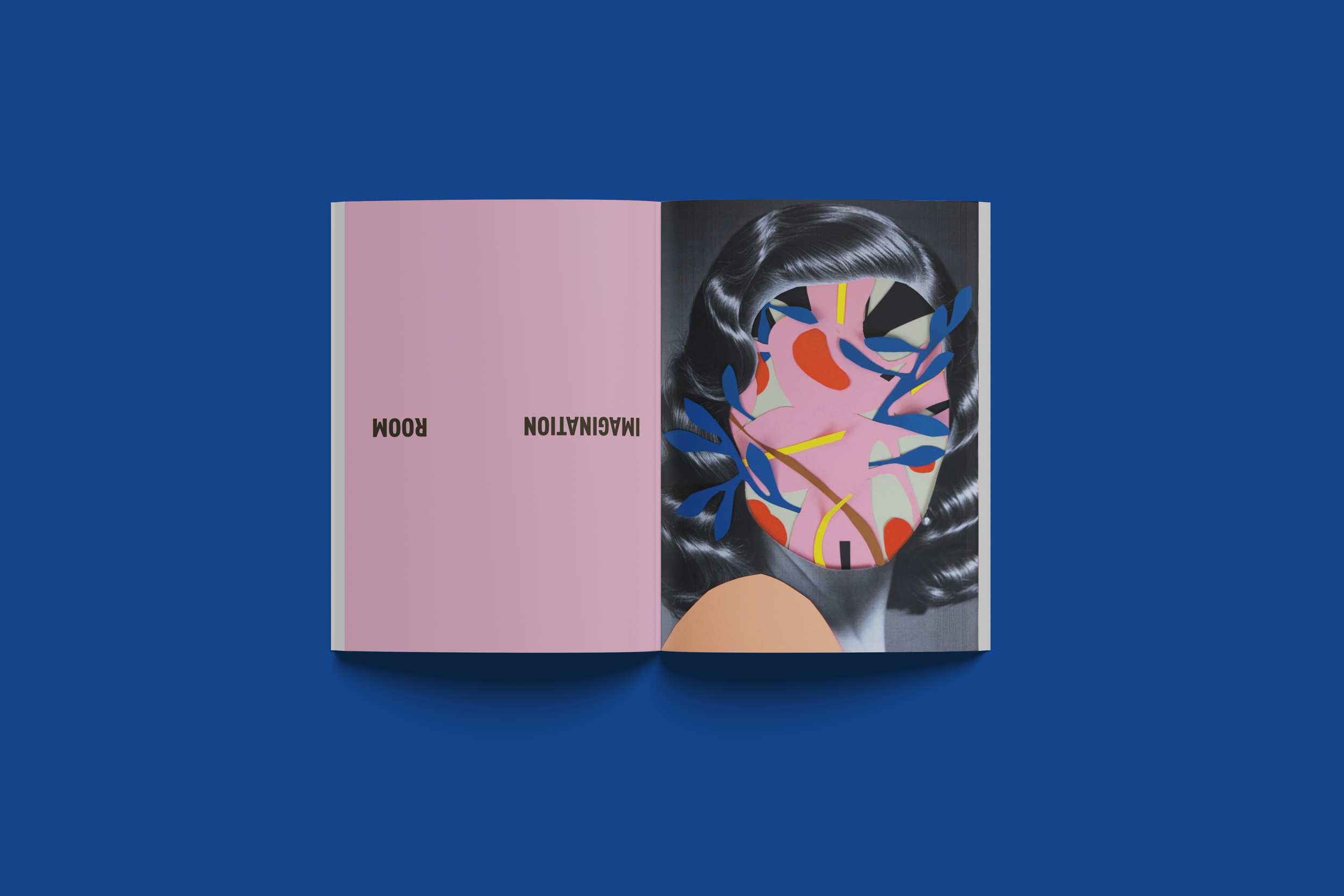
Exhibition 001
The Museum You Carry Book Art
The first exhibition at the Museum of Organisational Culture shows the original artwork from The Museum You Carry. Six artists in residence were each given one room of the book and its question. The seventh work is the cover.
First shown at Postmuseum, Stockholm, on 18 November 2026. Every work is available as a poster print in the Gift Shop.
The Museum You Carry
Limited Edition Book
It has been collecting since the day it started: the phrase a founder repeated until it stuck, the onboarding deck nobody has trimmed in years, the ritual that outlived the reason for it. Nobody chose most of it. It just stayed.
This book holds that collection. Six rooms of artefacts, composite and drawn from real organisations, each one recognisable. You will know them because they are yours, even if they are not exactly yours.
It is not a business book with a framework bolted on. It is an exhibition, and a method for what to do once you have seen what you are carrying.

The Archive
A growing record of workplace artefacts, starting with the ones from the book. Add one from your own workplace and it may be chosen for the pop-up exhibition.
Opening 2027 · Pop-up museum · 12 artefacts · Venue to be announced
The museum begins with the Founding Collection: twelve organisations, one donated artefact each, from Swish, Klättermusen, Lindex, Hyper Island, EY Doberman, Urban Deli and more.
Every organisation keeps things it no longer looks at. A t-shirt from a first offsite. An object that sits on a shelf and somehow explains everything. We asked twelve organisations to choose one and give it to the museum.
The pop-up will be a multi-sensory experience, designed to be felt as much as seen. You’ll step into twelve cultures and probably recognise your own.