
Twelve organisations. Twelve artefacts.
The founding collection of the world's first museum dedicated to organisational culture.
MoOC collects the artefacts, rituals, and inherited practices of working life. Not the culture organisations claim to have. The culture they actually produce. The object that was just there until one day it wasn't. The thing that made one organisation genuinely different from every other.
No institution in the world collects this.
Now MoOC does.
This November: the founding collection goes live, and MoOC opens.
MoOC is a digital museum, where the collection lives, grows, and stays open to anyone, anywhere.
Twelve organisations, twelve artefacts, each donated to the permanent collection and named in the museum's founding record. Not a sponsorship that expires. An act of institutional patronage for something that has never existed before.
Founding Collection Organisations
-
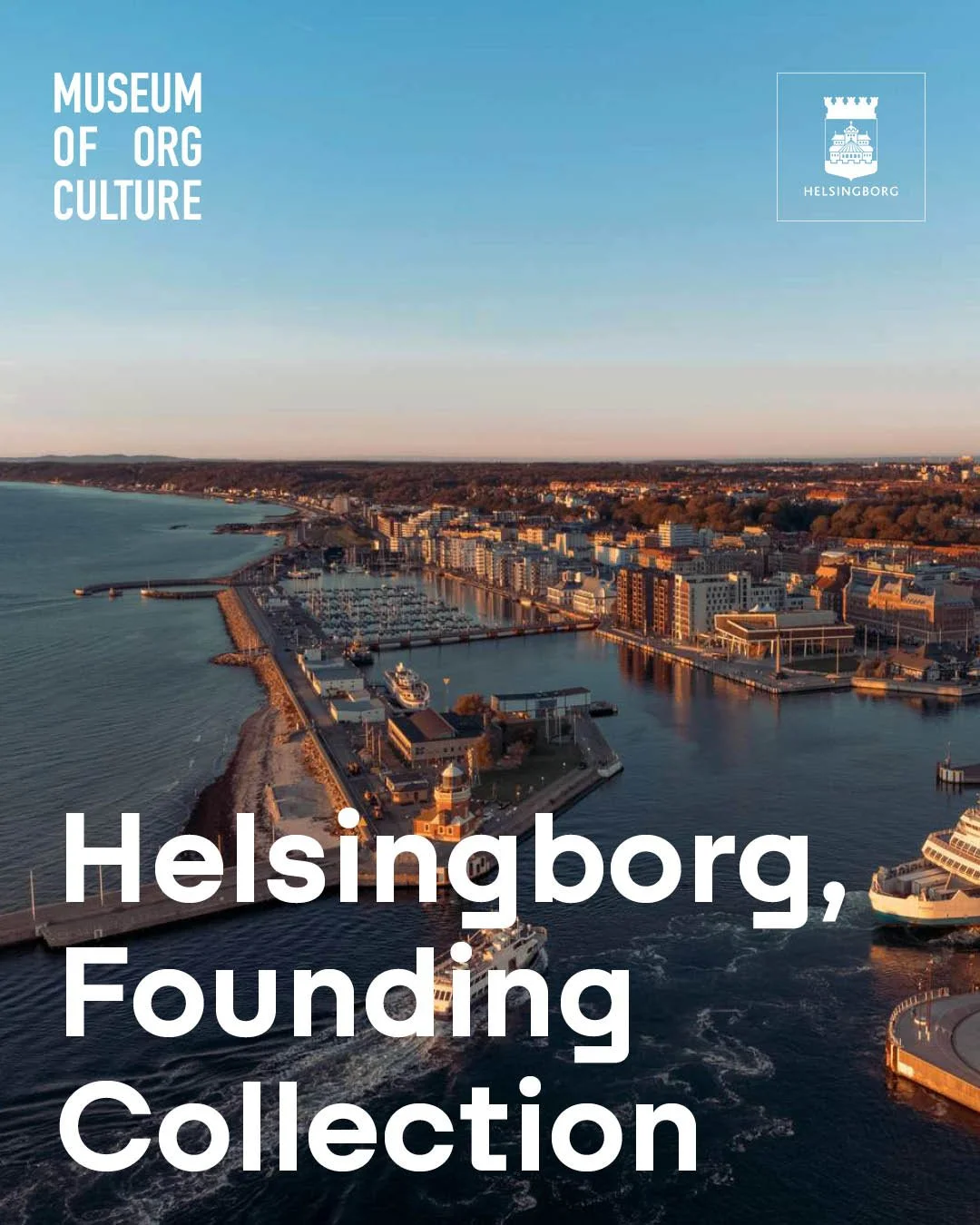
Helsingbord
Helsingborgs stad is a Swedish municipality.Helsingborgs stad is a Swedish municipality. Roughly 10,000 people work there. It is, by definition, a public institution built to be cautious, measured, accountable. For the past thirteen years, it has also been doing something quietly radical with its culture.
They have donated a cultural artefact that tells a specific story about what it looks like when a public institution decides to celebrate the culture needed to work differently, and especially, the opportunity to make mistakes.
-
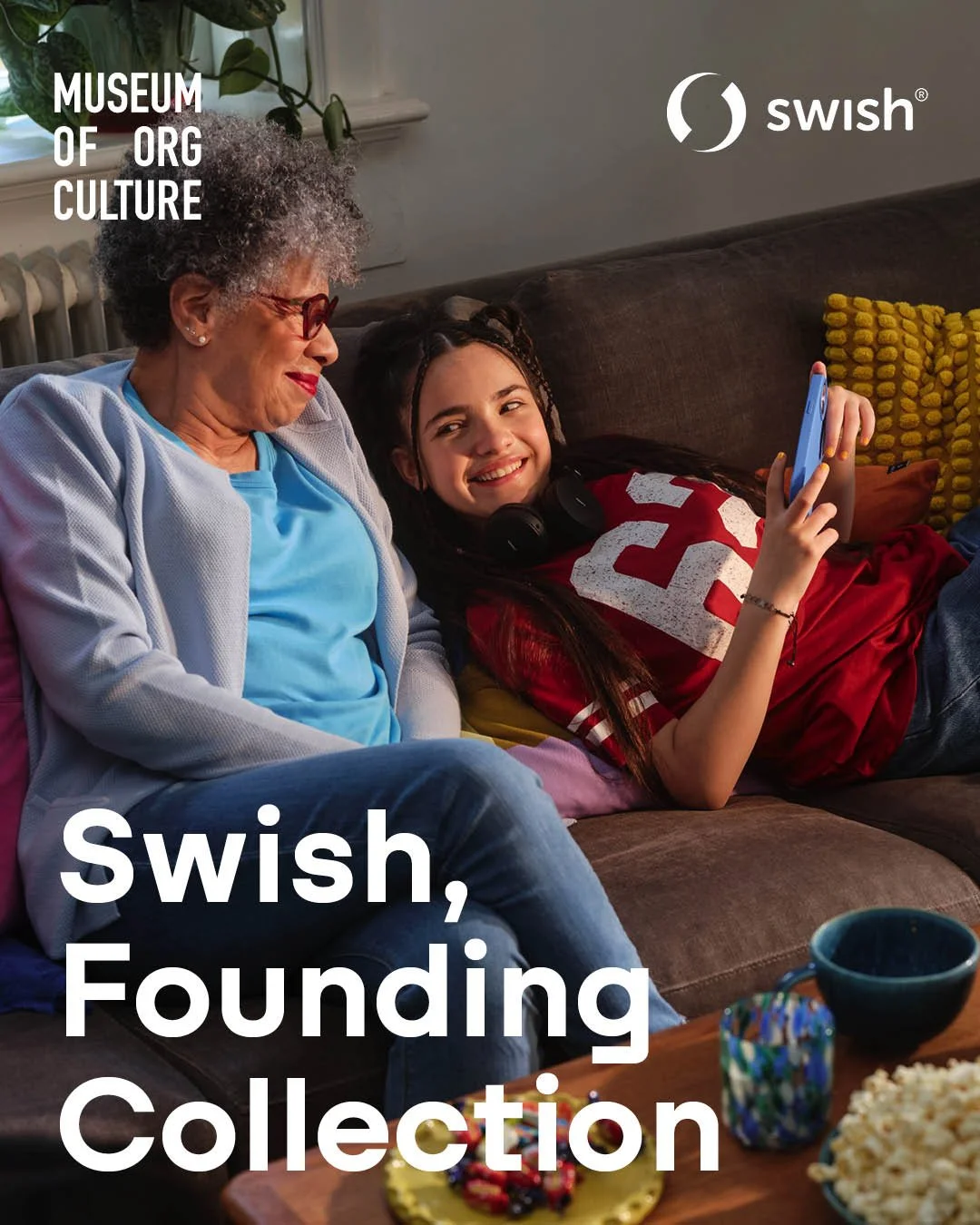
Swish
Swish is Swedish infrastructure. Not a product. Not an app. Infrastructure. Close to nine million people use it. It quietly changed how a country handles money, trust, and the small daily acts that hold communities together.
They have donated a cultural artefact that tells the origin story of an idea – a specific moment, in a specific room, when something that didn't exist yet was brought into being.
-
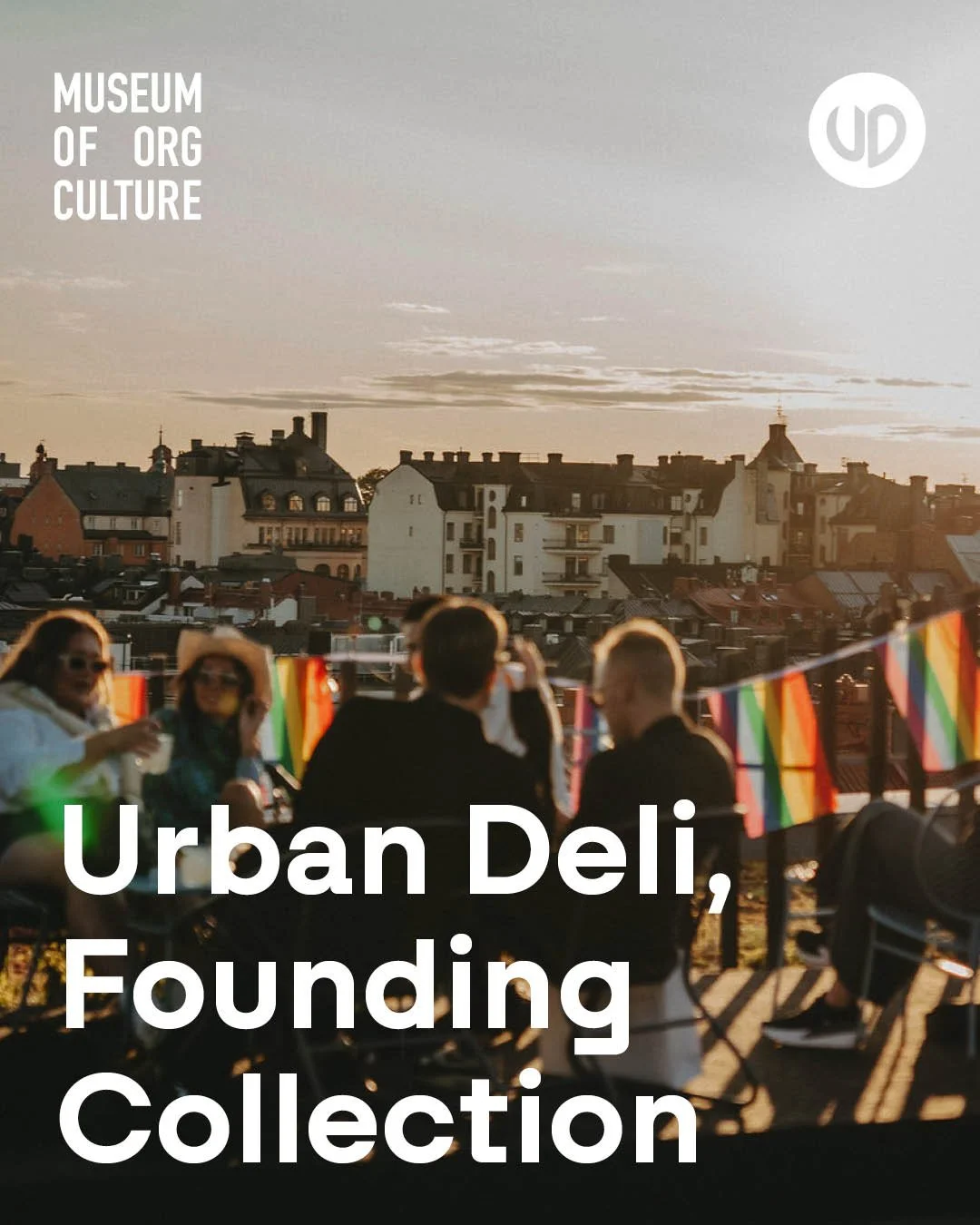
Urban Deli
Urban Deli is a Stockholm institution: part restaurant, part food hall, part deli, part hotel – with three locations across the city and close to 200 people working across them. It has never been just one thing, and it has never tried to be.
MoOC identified Urban Deli as the first organisation in the founding collection. They have donated a cultural artefact that tells a specific, political, very Stockholm story. It was created to stand up for employees and mark a clear stance against intolerance. Along the way it became something more – a symbol, a culture carrier, a statement about who Urban Deli is. -
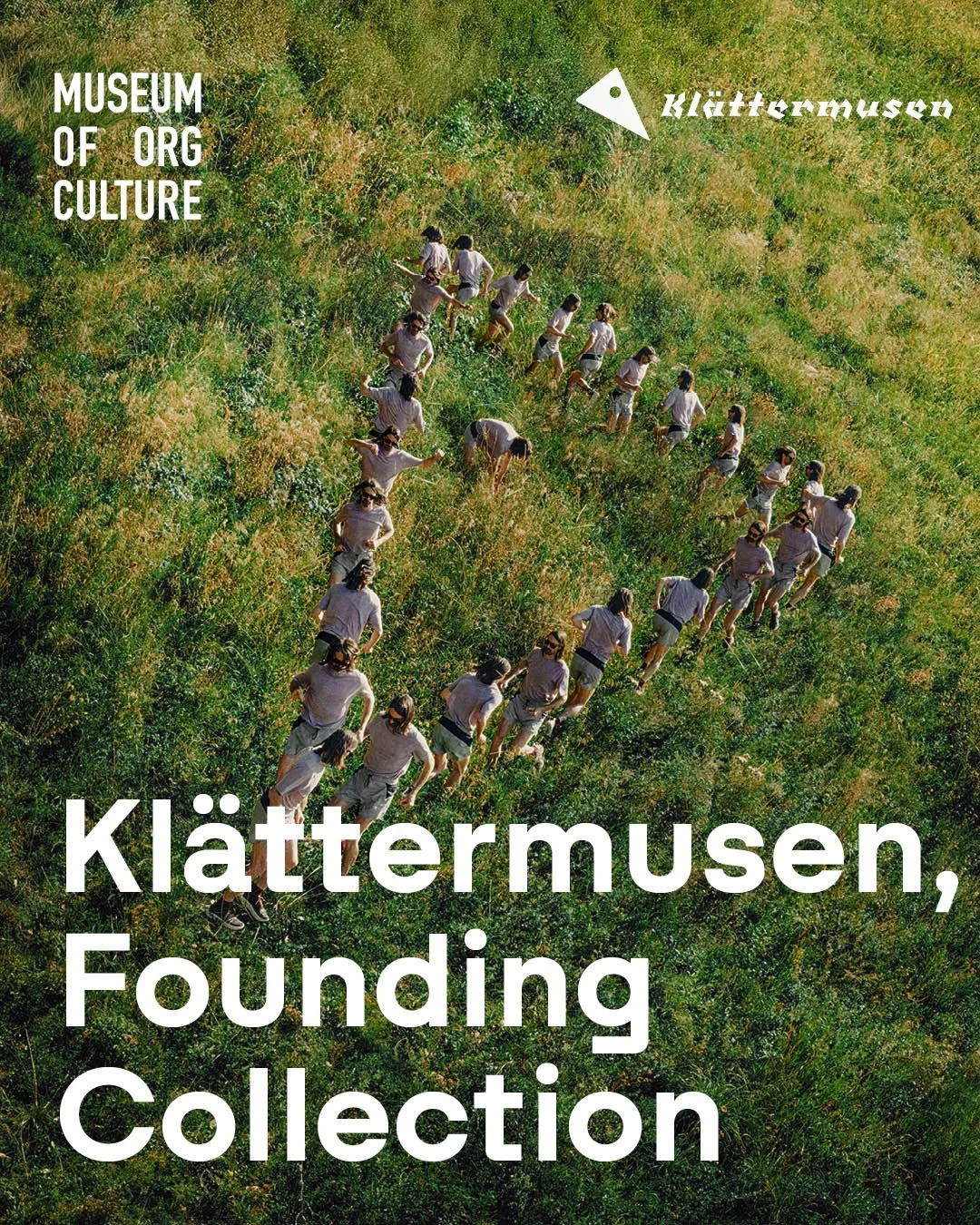
Klättermusen
Klättermusen was born in 1975, the product of a counterculture. A spirit of non-conformism that didn't start in a boardroom but in a Verkstad – a workshop – and has never really left.
They have donated a cultural artefact that tells a specific, precise story about what it has meant to build something with that spirit over fifty years.
-

ICA
ICA has been feeding Sweden since 1938.
More than 85 years ago, ICA grew out of a simple idea: independent retailers working together, stronger as one. Today that spirit still runs through the group, across grocery, banking, pharmacy and property, 24,000 people strong across Sweden, Latvia, Lithuania and Estonia. Every store its own, every store part of something bigger.
-
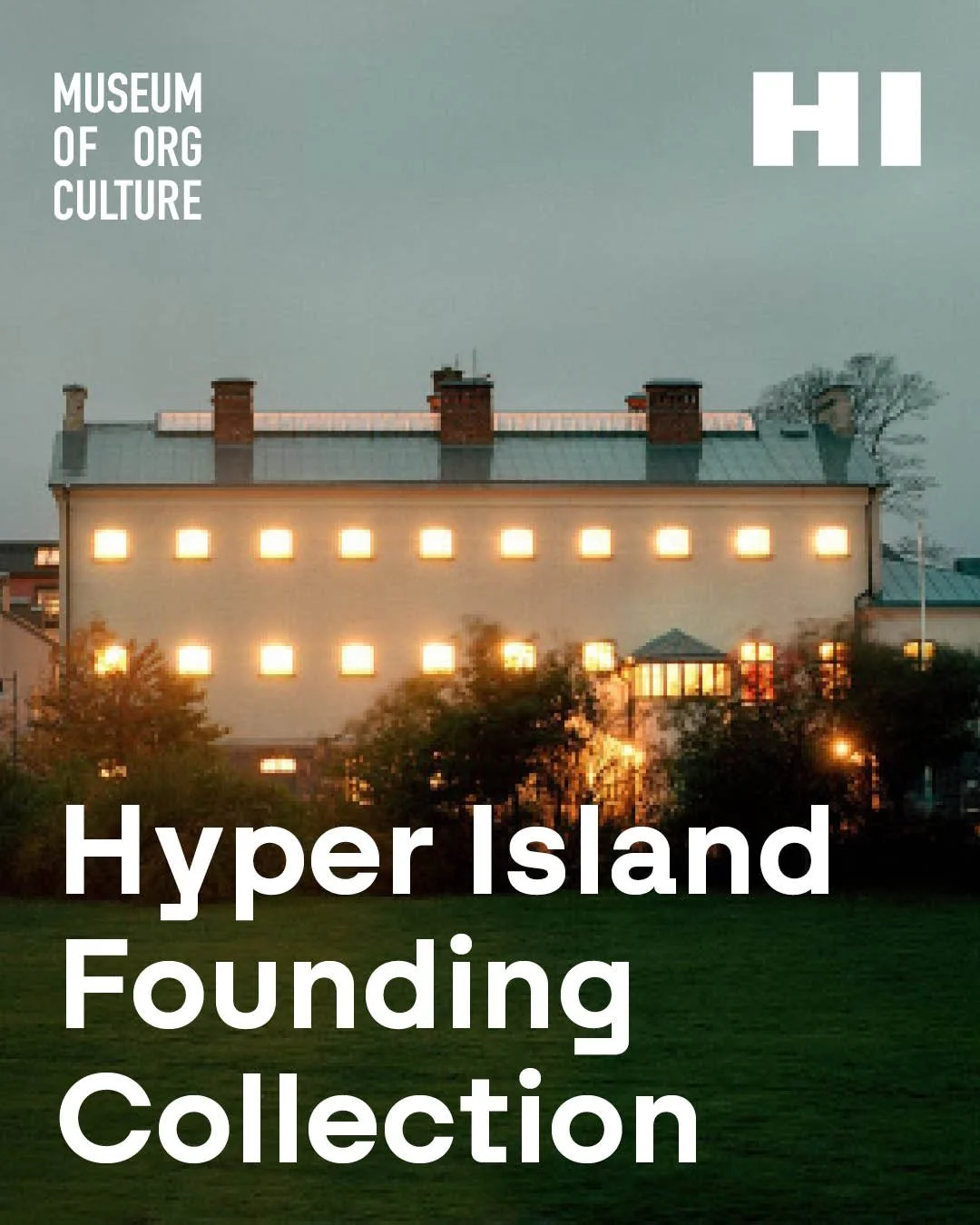
Hyper Island
Hyper Island was founded in 1996, in a decommissioned naval base in Karlskrona. Not a campus. Not a classroom. A submarine pen. The choice of building was not accidental. It was a statement about what learning should feel like: unfamiliar, serious, built for something that matters.
The artefact they are donating is not an object of nostalgia, but a reflection of lived values. A reminder of where it all started, and an invitation to keep evolving what culture can become.
-
Doberman
For 25 years, EY Doberman has built digital experiences for some of the world's most recognisable brands. They know how organisations communicate, how they present themselves, how they want to be seen.
So when we asked them to find an object that told a true story about how they work, we were curious what a design agency would keep.
It is not what you would expect. We can't tell you what it is yet. We can tell you it made us think differently about what design culture actually looks like from the inside. -
Fjällräven
Fjällräven has been making outdoor equipment since 1960.
Fjällräven has been making outdoor equipment since 1960. What started as one person's dissatisfaction with existing gear became one of Sweden's most recognised outdoor brands, carried across more than seventy countries.
They have donated a cultural artefact that traces a single material decision from the very beginning – one that didn't survive, but whose influence never left.
-
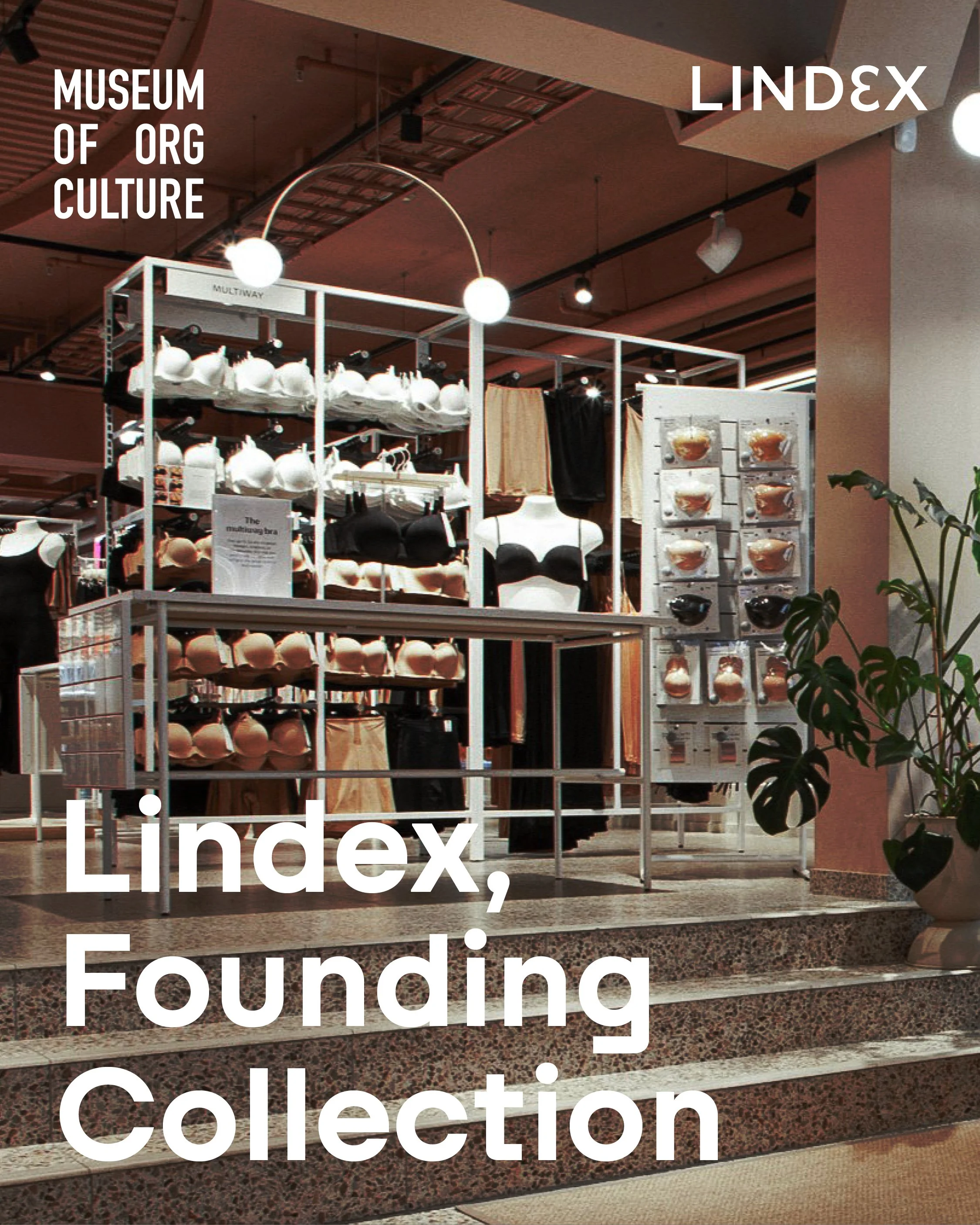
Lindex
Lindex has been designing fashion for women since 1954.
More than 70 years ago, Lindex started as a lingerie company in Alingsås, Sweden. Today they are one of Europe's leading fashion companies, with around 4300 employees, 430 stores across 17 markets and sales online worldwide through third-party partnerships. The woman is everything to them and Lindex want to drive meaningful change for women. That is their higher purpose.
-
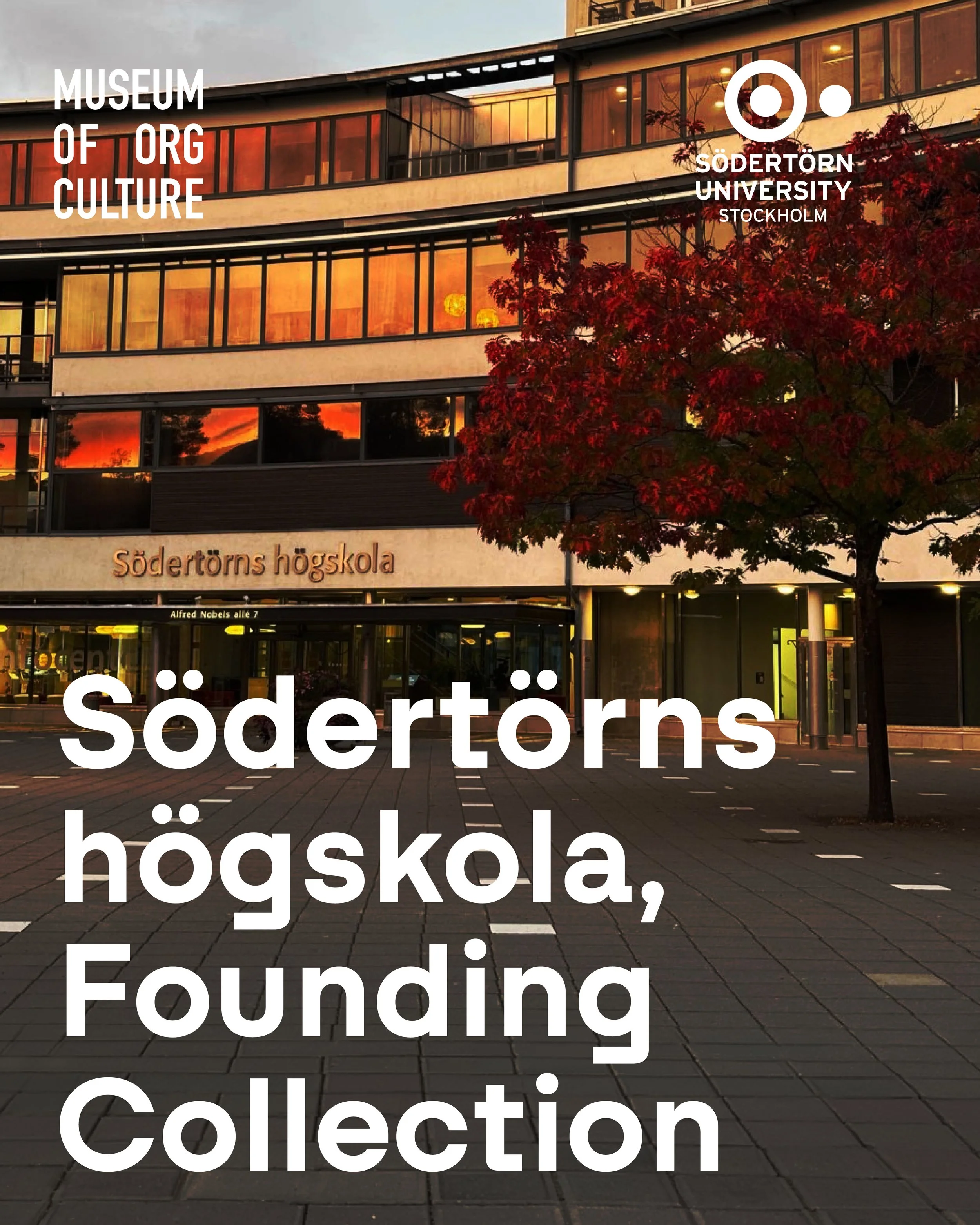
Södertörns högskola
Södertörn University was founded in 1996 with a specific remit – to encourage students in southern Stockholm from non-academic backgrounds to see higher education as an option.
Its location in Flemingsberg was a deliberate choice, one intended to help it achieve its aim. Today the university has 14,000 students, many from exactly those backgrounds. Its remit has formed an organisational culture.
-
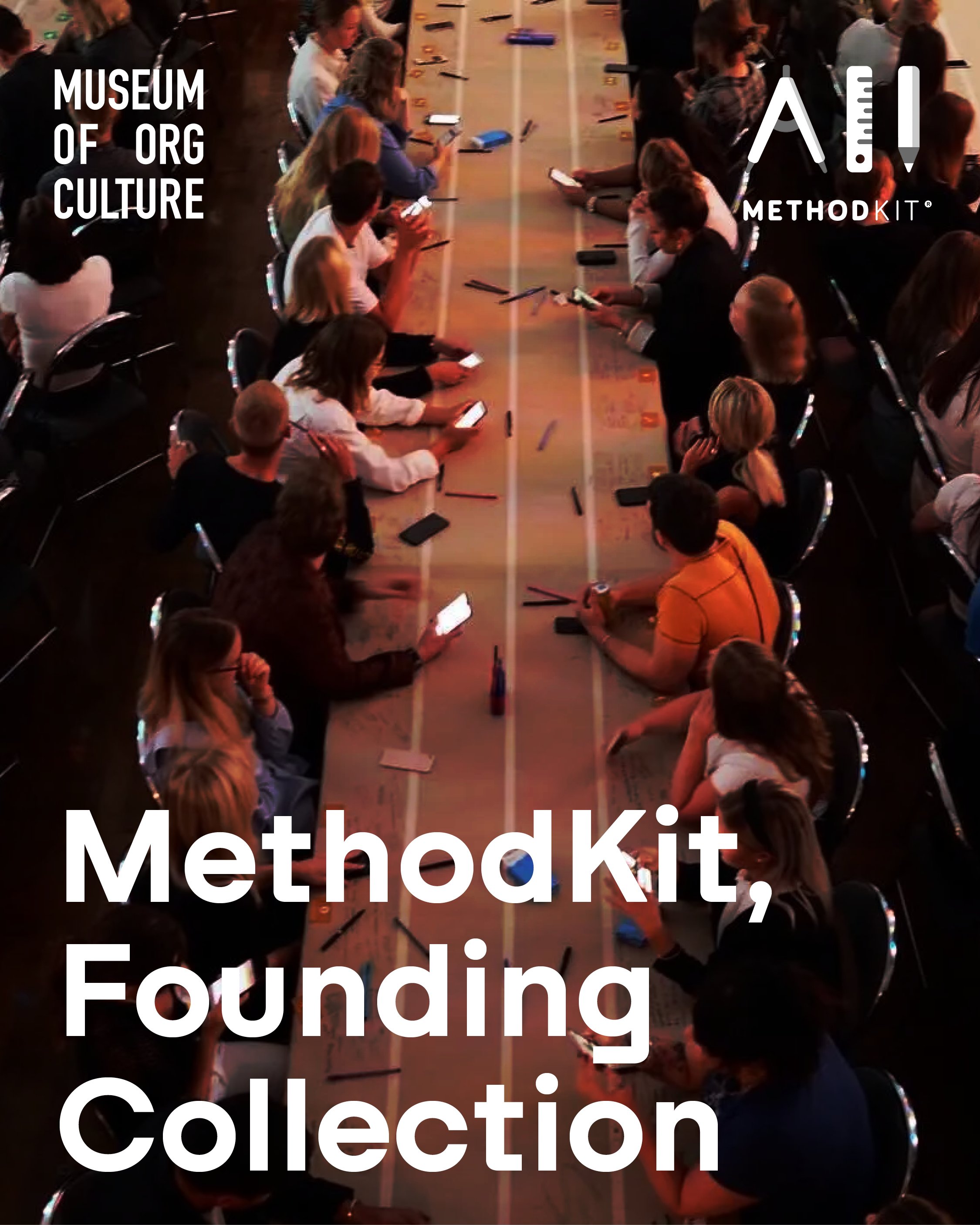
MethodKit
MethodKit is a Stockholm-based company founded by Ola Möller.
Method Kit is a Stockholm-based company founded by Ola Möller. For over 13 years, they have built card decks that help teams think together — more than 60 in total, shaped by over 200 collaborators. One deck has been translated into 43 languages.
-
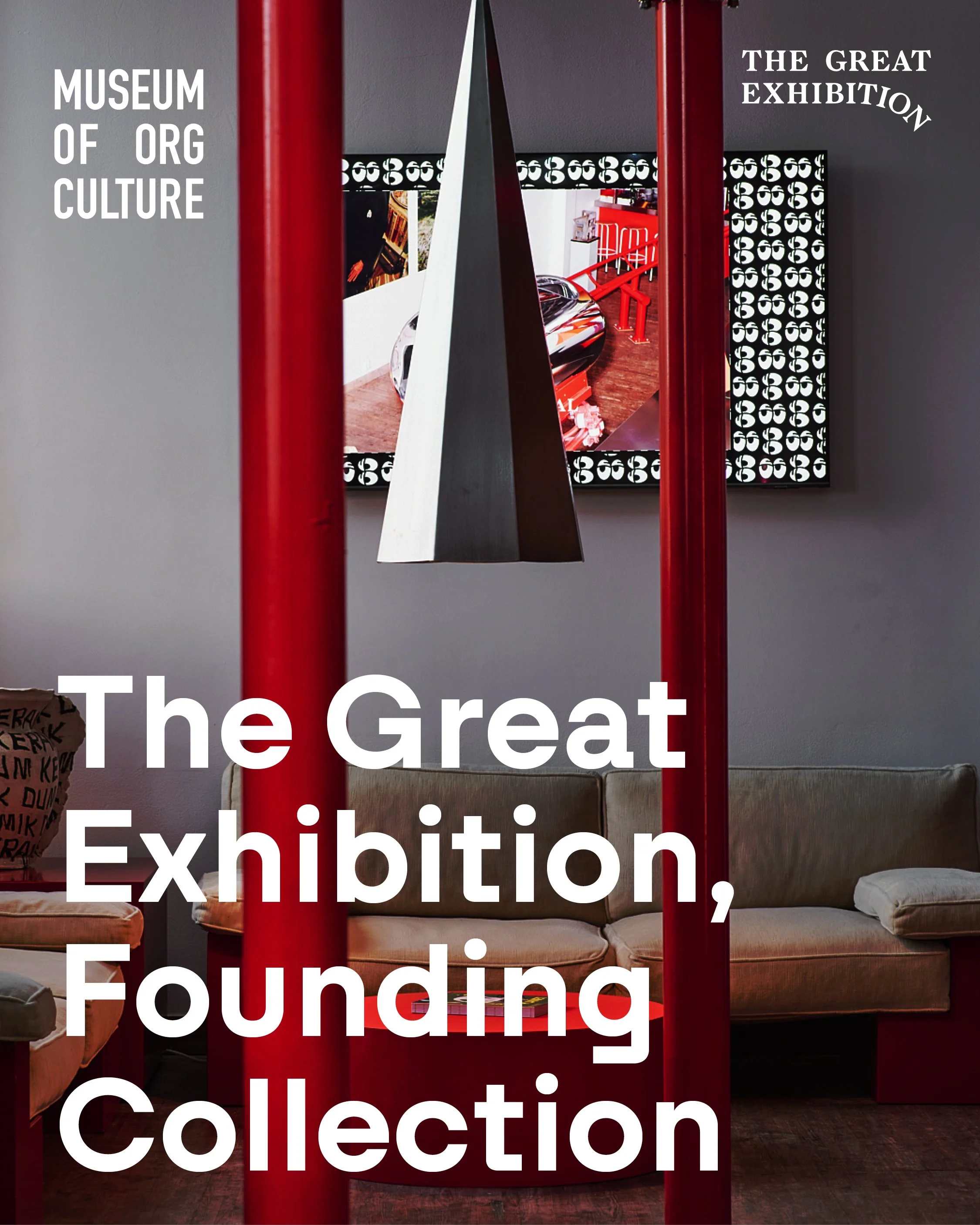
The Great Exhibition
The Great Exhibition is a Stockholm-based studio founded by Petter Kukacka.
The Great Exhibition is a design and communication studio based in Stockholm. They champion the unexpected, building memorable experiences through design, film, objects, and art, bringing together designers, curators, directors, and producers across disciplines to push ideas further. After 15 years working under the name PJADAD, they rebranded – and turned that belief into something no studio had built before, right inside their own office